
Craftsmanship, Culture, and Innovation in Japan’s Sake Labeling Industry
Sake, Japan’s iconic rice wine, is more than a drink—it is a symbol of tradition, craftsmanship, and regional pride. Over the years, the artistry of sake labels has evolved, reflecting the rich heritage of Japanese brewing while embracing modern design innovations. As Japan aims to make sake more accessible to global audiences, the role of labels is transforming once again, bridging the gap between cultural authenticity and usability in international markets.
Tradition in Sake Labeling
The labels of premium sakes have long been celebrated for their artistry, often incorporating gold foil, intricate calligraphy, and symbols of regional significance. These designs are not merely decorative; they encapsulate the philosophy and history of the breweries. For example:
- Dassai (獺祭): Features gold foil and intricate calligraphy, symbolizing luxury and refinement.
- Hakkaisan (八海山): Uses snowflake motifs, reflecting its Niigata origin, a region renowned for heavy snowfall and pristine winters.
- Juyondai (十四代): A rare, ultra-premium sake that elevates its status with hand-painted labels for special editions, emphasizing exclusivity and craftsmanship.
Notable Examples of Sake Label Art
- Dassai (獺祭)
Known for its clean, modern design, Dassai uses minimalist typography with a focus on elegance.
- Kubota (久保田)
Features gold foil and intricate calligraphy, symbolizing luxury.
- Hakkaisan (八海山)
Uses snowflake motifs, reflecting its Niigata origin (famous for heavy snowfall).
- Juyondai (十四代)
Design Elements of Sake Labels
Sake labels are a fusion of art, tradition, and marketing. Key design elements include:
- Calligraphy (Shodo)
Many premium sake labels feature handwritten calligraphy of the brand name, often by renowned calligraphers. The style of writing (bold, elegant, or minimalist) reflects the sake’s character.
- Symbolism and Imagery
Common motifs include:
- Cherry blossoms (sakura) – Symbolizing transience and celebration
- Dragons and phoenixes – Representing strength and prosperity
- Mount Fuji – A nod to Japanese heritage
- Seasonal themes – Such as autumn leaves for aged sake
- Color and Material
- Gold and red – Used for celebratory or high-end sake
- Earthy tones – For traditional, unfiltered (nigori) sake
- Embossed or textured paper – Adds a tactile luxury feel
- Minimalist Modern Designs
Some contemporary breweries opt for sleek, modern labels to appeal to younger drinkers and international markets. Examples include geometric patterns or abstract art.
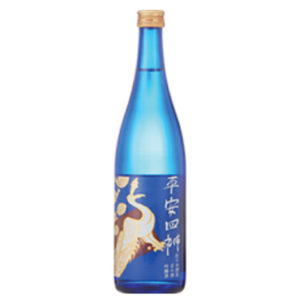
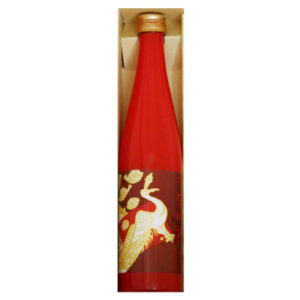
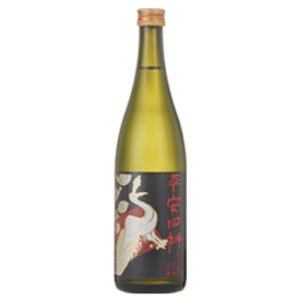
These labels serve not just as branding elements but as cultural artifacts, showcasing Japan’s brewing heritage through their designs. From centuries-old calligraphy styles reminiscent of samurai-era scrolls to hand-painted motifs inspired by nature, each label tells a unique story.
The interplay between tradition and innovation is vividly seen in these designs, where every brushstroke and motif reflects the values of the sake producers. For example, many breweries use symbols such as cranes or cherry blossoms, which are deeply tied to Japanese culture and evoke a sense of tranquillity and celebration.
Legal Requirements for Sake Labels
Japanese law mandates that sake labels must display:
Sake classification (e.g., junmai, daiginjo)
Alcohol content (usually 15–20%)
Brewery name and location
Rice polishing ratio (e.g., 60% for ginjo)
Production date (for freshness)
Mislabeling can result in fines, ensuring transparency for consumers.

For the export of japanese sake and labeling, see our article here: https://sakeportal.com/portfolio/items/export-japanese-sake-label-standards/
Modern Innovations in Sake Labeling
As sake gains popularity worldwide, breweries have started embracing modern design elements to appeal to diverse audiences. The traditional motifs found in sake labeling are now complemented by innovations that ensure relevance in today’s fast-changing market:
Bilingual Labels
One of the most practical changes is the inclusion of bilingual labels featuring Japanese and English descriptions. These labels cater to export markets, allowing international customers to understand the story behind the bottle. By making labels multilingual, breweries ensure that the essence of sake transcends language barriers.
Collaborations with Contemporary Artists
Innovative breweries are teaming up with modern artists to create eye-catching designs that stand out on store shelves. These collaborations often blend traditional Japanese aesthetics with bold contemporary art, offering bottles that are as much collectibles as they are beverages. Examples include abstract designs inspired by nature and avant-garde interpretations of traditional motifs.
Eco-Friendly Packaging
Sustainability is becoming a significant focus in sake label design. Many breweries now use recycled paper, soy-based ink, and biodegradable materials for their labels. This shift not only aligns with global efforts to reduce environmental impact but also resonates with consumers who value eco-conscious choices.
Modern innovations in sake labeling are essential for attracting younger, environmentally aware audiences and positioning sake as a drink for contemporary lifestyles. These designs ensure that while the bottle reflects tradition, it also feels at home on a table in New York or Paris.
The Turning Point: Label Standardization in 2025
While tradition and innovation are essential, clarity and usability are increasingly vital for sake labels, especially in international markets. Starting in 2025, Japan will implement standardized sake labels aimed at giving overseas buyers clearer and more accessible product information. This initiative, led by government and industry leaders, marks a significant shift in how sake is presented to the world.
Why Label Reform Matters
Despite its global recognition, sake often remains a mystery to international consumers. The challenges include:
- Confusing kanji-heavy labels: Many sake labels feature intricate Japanese characters that are difficult for non-native speakers to decipher.
- Lack of tasting notes: Without detailed flavor profiles, buyers are left guessing at the characteristics of the sake they are purchasing.
- No standardization: Elements like sweetness, acidity, and serving suggestions vary widely between labels, making it hard for newcomers to navigate the options confidently.
These hurdles often deter potential customers from exploring sake further. The label reform initiative aims to bridge this gap by introducing clear and standardized information that enhances accessibility while preserving the aesthetic and cultural integrity of traditional designs.
What’s Changing ?
The standardized labels will include:
- Clear tasting notes: Descriptions of flavor profiles, such as sweet, dry, or umami-rich.
- Guidelines for sweetness and acidity: Metrics that help drinkers understand the balance of the sake.
- Serving suggestions: Tips for pairing sake with food or enjoying it at optimal temperatures.
These changes aim to preserve regional brewing heritage while enhancing the sake experience for international consumers. By providing essential information in an easy-to-understand format, the new labels will encourage more people to explore sake confidently, fostering a deeper appreciation for the craft.
The Balance Between Tradition and Modernity
As sake labels evolve, the challenge lies in maintaining the delicate balance between honoring tradition and embracing modern usability. While standardized labels introduce practicality, they must also respect the artistic and cultural significance of sake labeling.
Many breweries are exploring ways to merge these two worlds. For instance, some producers are incorporating QR codes on labels, linking customers to detailed histories, tasting notes, and videos about the brewing process. This digital integration complements the physical artistry of the label, ensuring that tradition and innovation coexist seamlessly
In the end
Sake labels are evolving to balance tradition and accessibility, telling the story of Japan’s rich brewing heritage while adapting to a global market. Whether adorned with centuries-old calligraphy, bold modern art, or standardized tasting notes, each label invites drinkers into the world of craftsmanship behind every bottle.
As Japan ushers in a new era of sake labeling, the fusion of art and usability reflects a broader commitment to sharing its cultural treasures with the world. These labels are more than just a tool for marketing—they are a bridge between tradition and modernity, connecting drinkers to the soul of Japanese brewing. As sake continues to gain popularity globally, the artistry behind its labels will remain a testament to the dedication and creativity of Japan’s sake industry.