
Sake Flavour Profiles and Food Pairings: Exploring the Art of Matching Sake with Culinary Delights
Sake, the iconic Japanese rice wine, holds a cherished place in the world of gastronomy. Crafted from fermented rice, water, yeast, and a key fermenting agent known as koji mold, sake encompasses a rich spectrum of flavours and textures. Its versatility makes it an exquisite accompaniment to diverse dishes, from traditional Japanese fare to culinary creations from around the globe. In this article, we delve into the intricate world of sake flavour profiles and offer insights into mastering food pairings that elevate dining experiences.
It is worth mentioning that to fully enjoy the best sake then import the freshest and direct from Japan to ensure the taste and quality is at its finest
Understanding Sake Flavour Profiles
Sake flavour profiles are shaped by a multitude of factors, including the rice polishing ratio, fermentation process, and brewing techniques. Broadly speaking, sake can be categorised into several unique flavour categories:
1. Fruity and Aromatic
Sakes in this category often feature delicate notes of melon, apple, pear, or banana. These are typically associated with Junmai Daiginjo or Daiginjo sakes, which are known for their polished finesse. The higher rice polishing ratio results in lighter, aromatic qualities that appeal to those seeking elegance in their drink.
2. Rich and Umami
This flavour profile is characterised by complexity, deep richness, and the savoury taste known as umami. Junmai sakes, especially Junmai Ginjo, tend to exhibit these qualities due to the absence of added alcohol and the emphasis on traditional brewing methods. Such sakes are often robust, showcasing earthy or slightly nutty undertones.
3. Dry and Refreshing
Dry sakes, such as Honjozo or Futsushu, are often light and crisp, with a clean finish. They are brewed with a small amount of distilled alcohol, contributing to their lighter body and easy drinkability. These sakes are ideal for those who enjoy a refreshing sip that doesn’t overpower the palate.
4. Sweet and Smooth
Sweet sakes, such as Nigori (cloudy sake), offer a creamy texture and milky appearance. These are unfiltered sakes with a natural sweetness derived from residual rice starch. They often feature tropical fruit notes and are perfect for dessert pairings.
5. Aged and Complex
Aged sake, known as koshu, brings bold and intricate flavours to the table. These sakes often have a golden hue and intense aromas of caramel, nuts, or dried fruits. Their robust and layered profile makes them a unique choice for adventurous palates.
Key Elements in Sake Pairing
Pairing sake with food is a delicate art that hinges on balance, complementarity, and enhancement of flavours. Several considerations come into play when selecting the right sake for a dish:
1. Acidity and Sweetness
The balance between acidity and sweetness in sake can affect the harmony of a pairing. Fruity sakes with higher acidity pair well with lighter dishes, such as sushi or sashimi, while rich, sweet sakes complement the bold flavours of spicy or creamy dishes.
2. Texture
Sake texture can range from smooth and velvety to light and crisp. Matching sake texture with food texture ensures neither overwhelms the other. For example, creamy Nigori sake works beautifully with desserts or dishes featuring rich sauces.
3. Umami
Umami plays a pivotal role in sake pairing. Dishes with high umami content, such as grilled fish or soy-based recipes, find an ideal companion in umami-rich Junmai sakes.
4. Alcohol Content
Lower-alcohol sakes are versatile and easy-going, suitable for casual dishes, while higher-alcohol options can stand up to robust and heavily seasoned meals.
Sake and Food Pairing Suggestions
Pairing recommendations to inspire your exploration of sake and its culinary companions:
1. Sushi and Sashimi
Fruity and aromatic sakes like Junmai Daiginjo elevate the delicate flavours of fresh fish and rice. Their crisp acidity complements the subtle sweetness of sushi rice and the briny notes of seafood.
Example sakes:
Junmai Daiginjo 40 (Gohyakumangoku)
2. Tempura
Dry and refreshing sakes, such as Honjozo, balance the light, crispy batter of tempura without overpowering its natural flavours. The clean finish of these sakes offsets the fried textures perfectly.
Example sakes:
Gekkeikan Traditional (Junmai)
3. Yakitori (Grilled Chicken Skewers)
Rich Junmai sakes with umami depth pair beautifully with the smoky and savoury notes of yakitori. The sake enhances the grilled flavours and creates a harmonious dining experience.
Example sakes:
4. Cheese
Aged koshu sakes with their bold and complex flavours are an ideal match for aged cheeses like Gouda or Parmesan. The nutty and caramelised notes of koshu complement the richness of the cheese.
Example sakes:
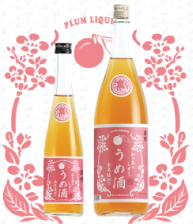
5. Desserts
Sweeter Sakes shine when paired with desserts such as cheesecake, fruit tarts, or mochi. The tropical fruit notes and creamy texture elevate the sweetness of the dish.
Example sakes:
6. Western Grilled Meats
Robust sakes like Junmai or Junmai Ginjo stand up to the bold flavours of grilled steak or roasted lamb. Their umami richness complements the charred notes beautifully.
Example sakes:
Afuri Kimoto Junmai (Black Koji)

7. Fatty Fish and Meats
Sakes with a higher acidity to cut through the fat are the best match for these foods to cleanse the palate.
Example sakes:
Maibijin Yamahai Junmai
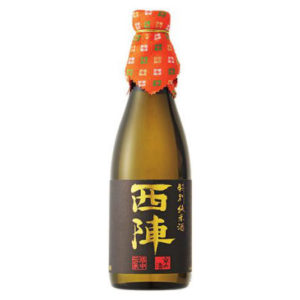
For restaurants, bars looking to offer sake pairings and for your own private label sake
Tips for Enjoying Sake Pairings
To maximise the enjoyment of sake pairings, consider the following tips:
- Serving Temperature: Different sakes shine at different temperatures. Fruity sakes are best served chilled, while rich umami sakes can be enjoyed warm.
- Glassware: Traditional sake cups (ochoko) bring cultural authenticity, but wine glasses can enhance aromatic sakes.
- Experimentation: Don’t shy away from experimenting with unconventional pairings—sake’s versatility may surprise you.
- Seasonality: Seasonal dishes paired with seasonal sakes offer an immersive dining experience.
- Import your sake fresh and direct from Japan
Sake is more than just a drink—it’s a cultural experience that embodies centuries of craftsmanship and tradition. Its diverse flavour profiles open the door to endless pairing possibilities, allowing aficionados and novices alike to explore the interplay of drink and cuisine. Whether you are savouring a fruity Junmai Daiginjo with sushi or indulging in a creamy Nigori sake with dessert, the journey through sake and food pairing is one of discovery and delight. So, take a sip, experiment freely, and embrace the magic of this quintessential Japanese beverage.
Many of the above Sakes you can import through sakeportal.com